
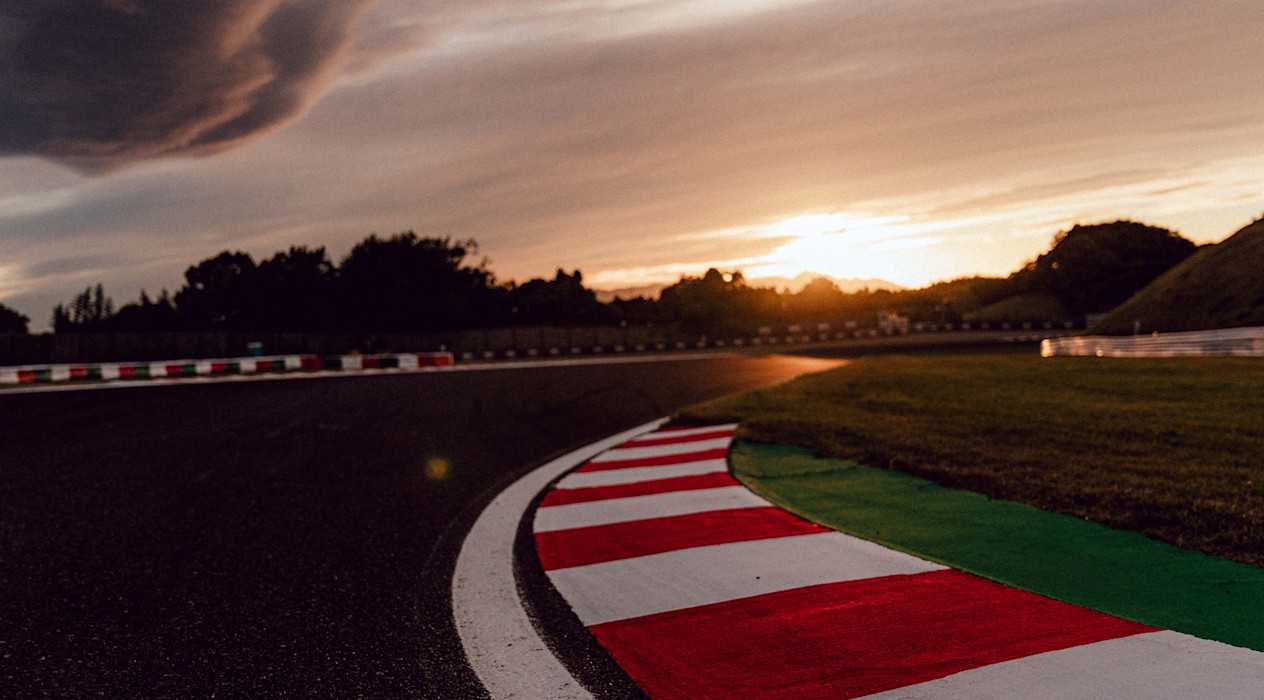
Ahead of the Japanese Grand Prix, Aston Martin Aramco Team Representative Pedro de la Rosa reveals the biggest challenges ultra-demanding Suzuka poses to the drivers and teams.
A thrilling, unforgiving racetrack that rewards skill and punishes mistakes, Suzuka is one of the great circuits in global motorsport.
Enduringly popular with drivers and fans alike, the only figure-eight layout on the calendar has produced countless iconic moments, from dramatic title-deciding clashes to scintillating charges through the field.
As we head to the Land of the Rising Sun once more, former F1 driver Pedro de la Rosa reveals how Lance Stroll, Fernando Alonso and the team will tackle this imposing circuit, from handling the fast and technical layout to the perpetual threat of variable weather.
What makes Suzuka such a thorough examination of a driver's skill?
"It's an old-school circuit, so there's no room for error. It's narrow, there are gravel traps everywhere, and as a driver you know that if you make one mistake you could be off, but that makes it even more exciting to drive.
"There are a lot of high-speed corners, particularly in the first sector, which is the most challenging part of the lap for the driver and the car. The Esses at the start of the lap are a succession of corners in sixth gear where you are travelling more than 200km/h and you don't touch the brakes at all.
"You have to be very precise at very high speed, playing with the throttle with a lot of change of direction and there's only one racing line which, if you veer from it, can mean you're quickly off the track.
"Suzuka is one of the most difficult circuits on the calendar but if you have the courage to take risks and pull them off, you can gain a lot of lap-time."
You hardly breathe in the first half of the lap and that's where the lap-time is made.
How physically demanding is a flying lap around Suzuka?
"The first half of the lap is extremely tough physically because you hardly touch the brakes. You are pulling 5G as you change direction at high speed and there's also elevation and compression as you climb the hill.
"In the second half of the lap there are long straights, and that gives you a chance to catch your breath a little. Suzuka allows you to recover during the lap; it's not like Monaco or Singapore where there's no respite at all.
"You must be precise and very committed on the entries of the high-speed corners, but you have a long straight before 130R which provides a bit of let-up.
"That's the beauty of Suzuka. You hardly breathe in the first half of the lap and that's where the lap-time is made, and then you can gather yourself momentarily before the rollercoaster ride starts again."
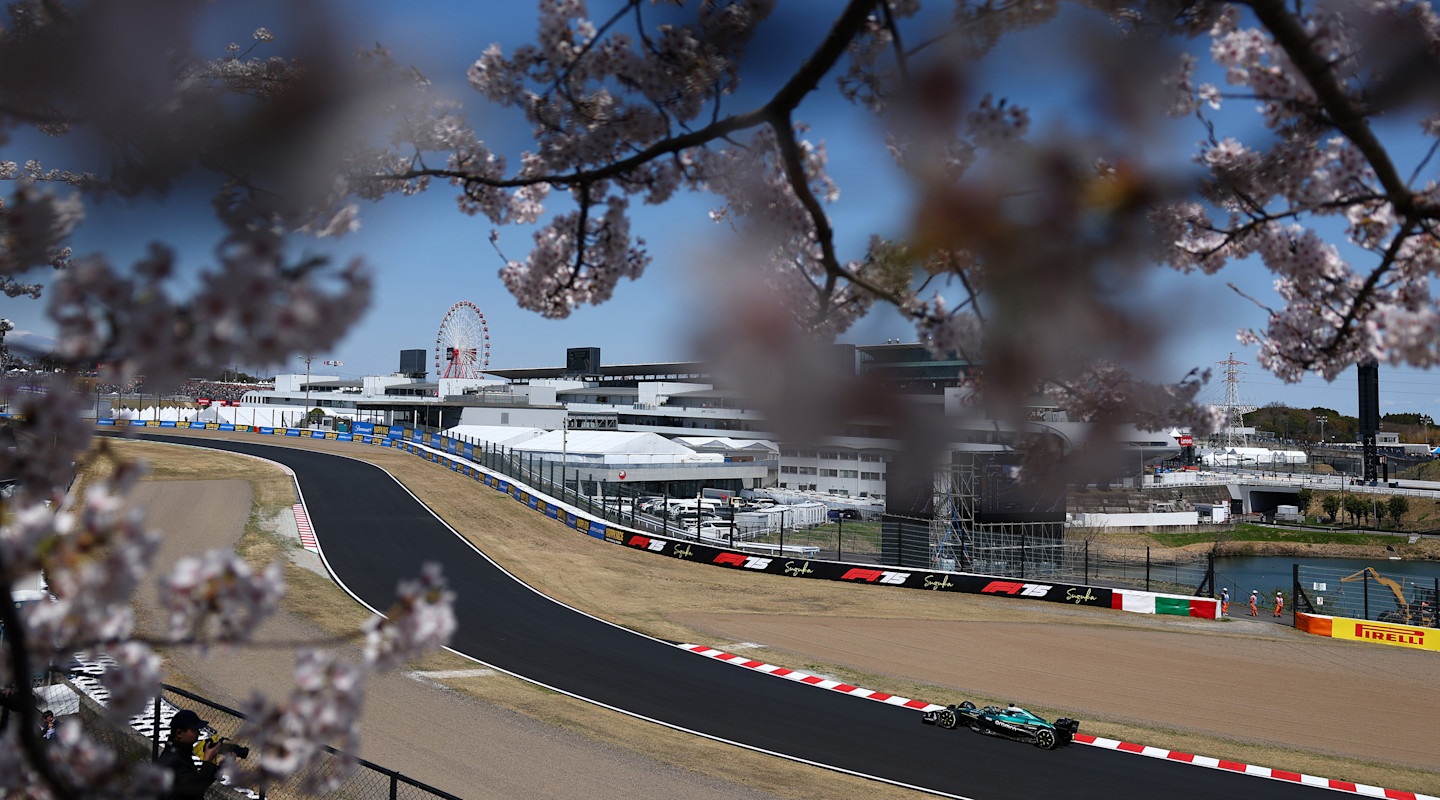
What do you need from the car's setup to be quick around Suzuka?
"You need a very responsive front end to deal with the change of direction. You need to make sure that the car is not lazy in the high-speed corners because, if it is, you will have to slow down your minimum speed to give time for the front to position itself in the corner.
"You need a very agile car, very stiff, and very pointy, but then you have to live with that as it'll be a nervous car in the medium- to low-speed sections.
"That's part of the challenge but it has to be that way because if the car is not good in the high-speed corners you're going to damage the tyres and it will ruin your speed.
"If, after the first sector, you are sliding the front end because it's not responsive enough, or you have too much front end and you're sliding the rear, by the time you are in sector two the car will have lost a lot of grip because you've overheated the tyres.
"You need good balance through sector one so the tyres can last for the whole lap. If you damage the tyre on that first sector, you're done.
"You also need to manage the brakes well and there are different cooling requirements for Qualifying and the race.
"In Qualifying, you barely touch them over the first half of the lap so when you get to the first really big braking point, the hairpin at Turn 10, the brakes are stone cold. You have to work the brakes very hard on the outlap to get them up to temperature so that, when you start a flying lap, they are hot enough to hold that temperature for the first half of the lap before you need them.
"In the race, you naturally brake more anyway because you're doing more laps, and the car is heavier with fuel so you're braking a little earlier throughout the lap. Working closely with your race engineer is vital to getting brake management right."
You have to be an artist in the wet, crafting different ways of going fast.
The threat of rain is never far away at Suzuka. How much does wet weather increase the challenge the drivers face?
"The difficulty at Suzuka probably triples in the wet because the high-speed change of direction remains but there's much less grip. On top of that, the surface water levels vary through the lap because of the elevation. A river always forms between Turns Six and Seven while 130R, easily flat in the dry for a modern F1 car, becomes a tough corner.
"It's a very difficult track in the wet but it's great to drive because of the different lines you can take. In the dry there's only one line and you have to go where the rubber is but in the wet it's the opposite. You have to explore where the grip is every lap and where there is less water. You have to be an artist in the wet, crafting different ways of going fast.
"I learned a lot about driving in the wet during my time racing in Japan, especially from experienced Japanese drivers like Satoshi Hoshino, Masanori Sekiya, and Aguri Suzuki; they were amazing. They always surprised me with different lines, which I made sure I picked up."
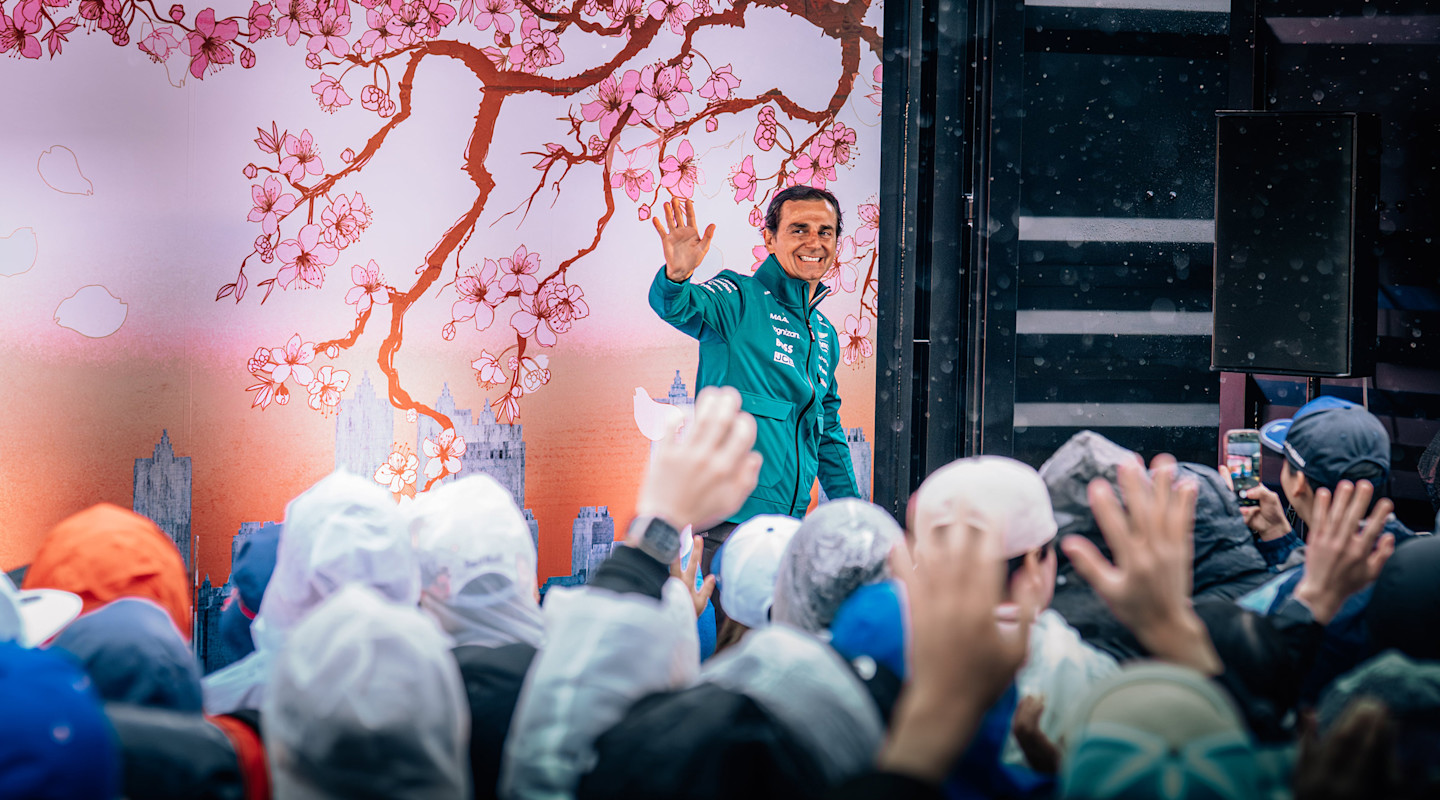
The Japanese Grand Prix is famed for its atmosphere generated by the local fans. What can we expect from our reception trackside?
"The Japanese fans have always treated us well.
"I raced in Japan in the All-Japan F3 Championship, Formula Nippon and in the Japanese Grand Touring Car Championship, winning the former in 1995 and the latter pair in 1997, and in F1 in the ’90s and early 2000s, and it amazes me how much people still remember me from those days. It really underlines the passionate fandom in Japan and the deep knowledge Japanese fans have of the sport.
"The amount of support you receive and their memories of your past achievements is so special."
Suzuka awaits
Every corner a masterpiece, lined by the most enthusiastic of fans. This is your guide to the Japanese Grand Prix weekend.
Related content
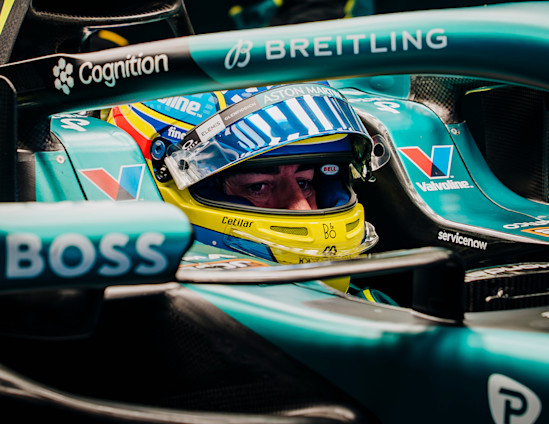
The driver mindset: Pedro on instinct, connecting with the car, and mastering Suzuka
Read more
Jenson's Journal | Entry 01: Japan, Aston Martin, and the little things that stick
Read more
Jak Crawford to drive in FP1 at Japanese Grand Prix
Read more
Waiting in the wings: The making of a Third Driver
Read more
Born Brave | Fernando Alonso: Embracing the samurai
Read more
Pitlane to paddock: Going trackside at the Australian Grand Prix with I / AM
Read more
Aston Martin Aramco Esports Team confirms line-up for 2026 F1 Sim Racing Season
Read moreAmplify your fan experience
From exclusive collabs to once-in-a-lifetime prizes, I / AM DROPS is a series of unique and ultra-limited moments and fan experiences.
Sign up for I / AM or sign in to unlock.