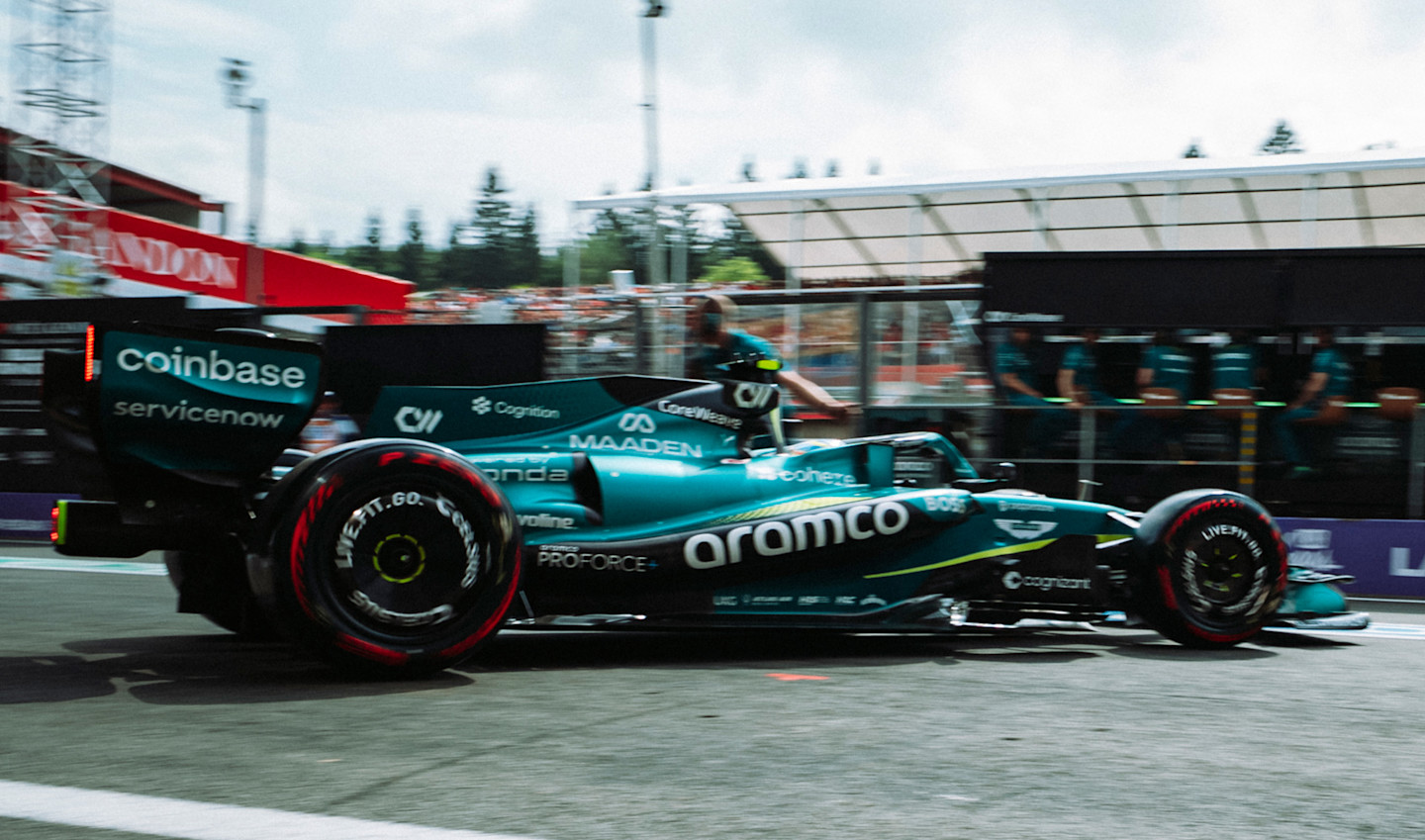
Concluding the weekend at Circuit de Spa-Francorchamps, Fernando finished P19 while Lance suffered an issue with the AMR26.
Read on to get the full thoughts of our team.
After several drivers, including Lance and Fernando, changed components of their cars and subsequently received grid penalties, our duo lined up from P20 and P22.
Opting for similar strategies, our drivers both began on the Hard tyre. A Safety Car came out before the end of the first lap and several drivers pitted. When the race got back underway on Lap 5, Fernando and Lance were running in P15 and P16 respectively.
A brief Virtual Safety Car period on Lap 18 allowed Lance to pit. Two laps later, Fernando pitted under another VSC. Both drivers changed to Softs.
After 25 laps, Lance began to feel a gearbox issue and retired the car to investigate the problem.
Fernando came in for his second pitstop at the end of Lap 32, switching to Hards until the end of the race.
Next up, on 24-26 July, is the Hungarian Grand Prix, where the team will bring updates to the AMR26.
THE LATEST FROM TRACK



Welcome to your Spa weekend
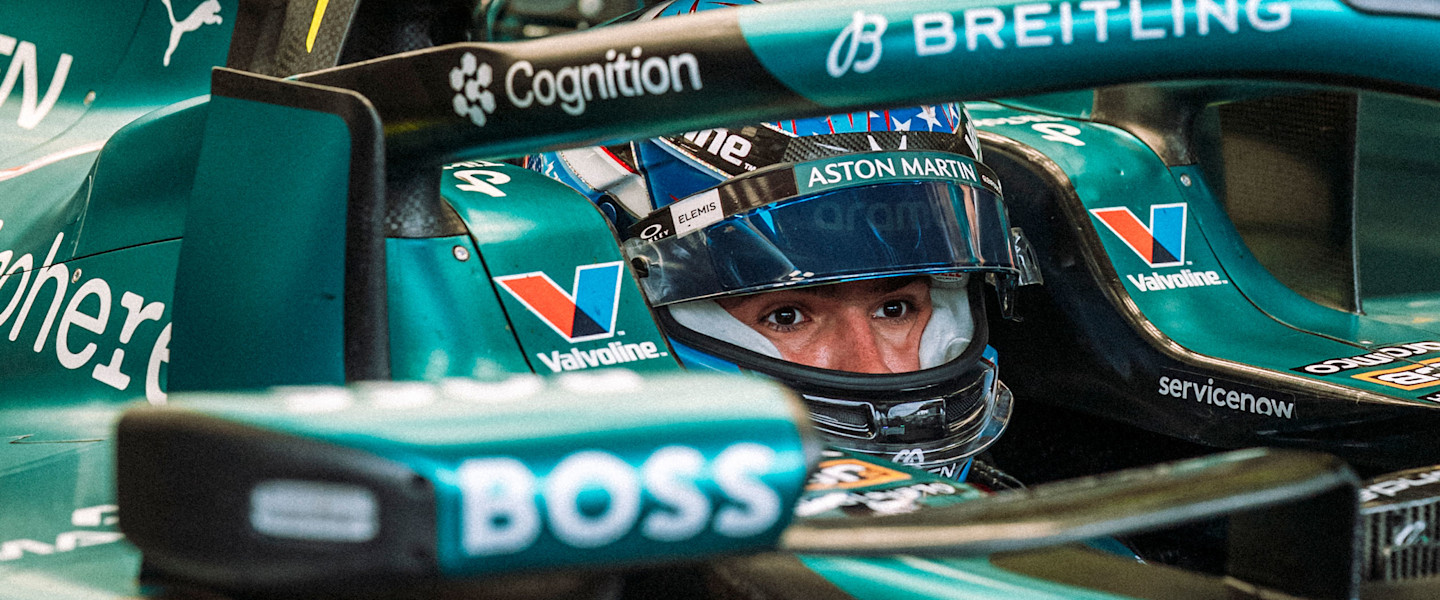
There is something magical about Spa-Francorchamps. It's perhaps best experienced before the weekend, when the village of Francorchamps is still sleepy, and the memorabilia stalls are just starting to set up on the road down the hill to the circuit. You can see the monstrous climb up the hill through Raidillon, peering through the trees. Monaco may have the glamour, but Spa is the beating heart of F1… even if you do need an umbrella, compass and hiking boots to properly appreciate it. There's 101 years of history at this circuit – and it's just nice to be part of the latest chapter.
Silverstone was a mixed weekend for the team. While the car is still struggling for pace with more performance coming soon, getting both cars home is a testament to the hard work that's going in back at the AMR Technology Campus, and something to build on, heading into the final double-header before the summer break.
RACE STARTS IN:


- Sectors
- Turns
- Straight Mode
- Overtake Mode
Spa is a combination of very high-speed corners with some very long straights which makes it difficult for the setup.
- Number of corners19
- Number of laps44
- Race distance308.052km
Finding the limits with the Driver Academy
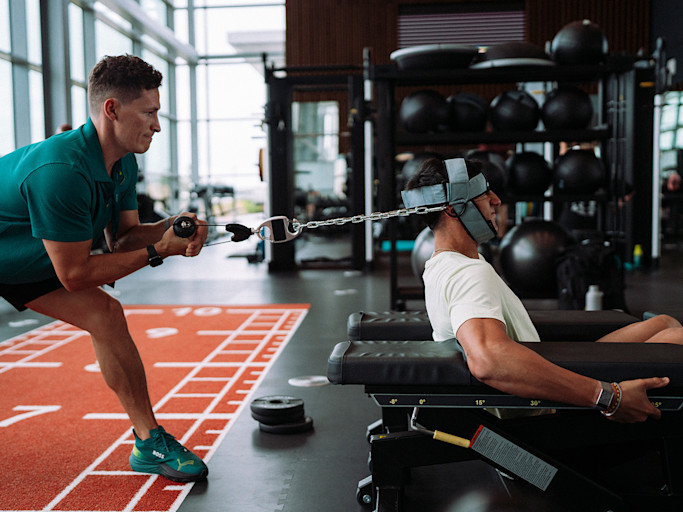
What does it take to be an Aston Martin Aramco driver? Find out alongside our Driver Academy as they're put to the test at the AMR Technology Campus.
Adrian Newey will see you now
In the latest exclusive UNDERCUT interview, Adrian opens the door to an honest conversation about hard truths, difficult decisions and the challenge of turning the team's fortunes around.

Related content
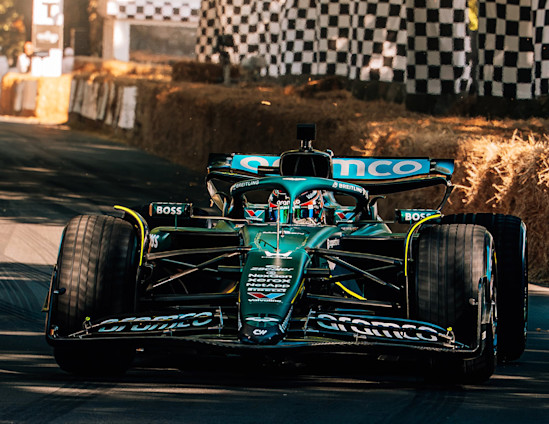
In pictures: Aston Martin Aramco makes its Goodwood debut
Read more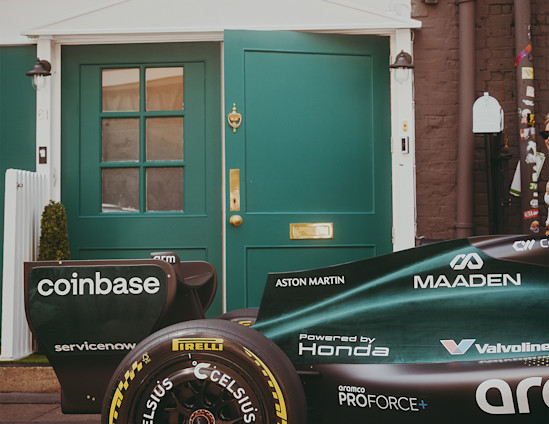
Behind the green door: A look inside I / AM House
Read more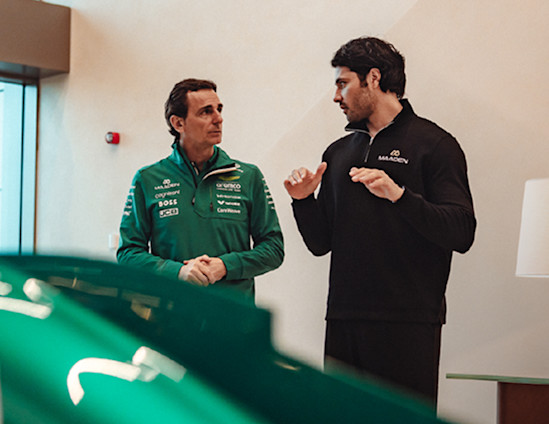
Driven to Greatness | Ep. 02: Put to the test at AMR Technology Campus where high-tech engineering meets high-speed racing
Read more
"F1 saved me" – from an online meeting to lifelong friends
Read more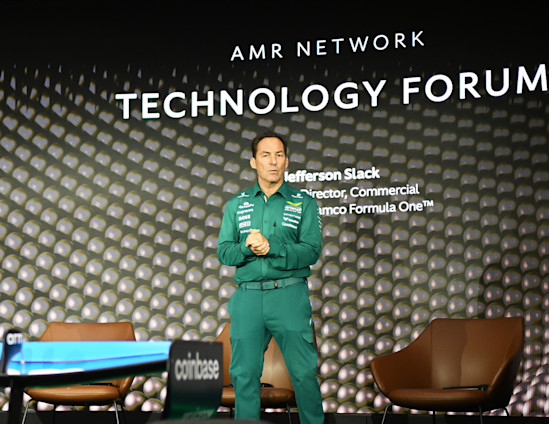
Aston Martin Aramco hosts inaugural 'AMR Network' Technology Forum
Read more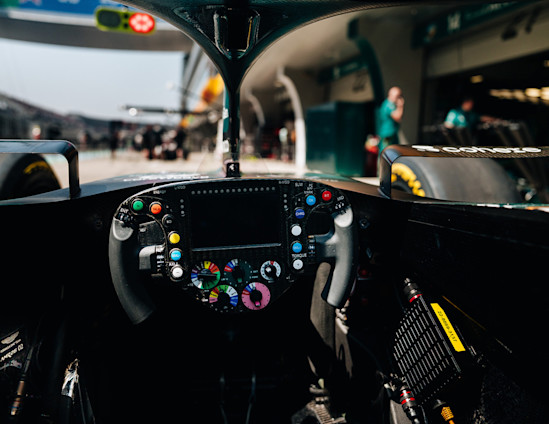
Inside the cockpit: The tools of Formula One's new era
Read more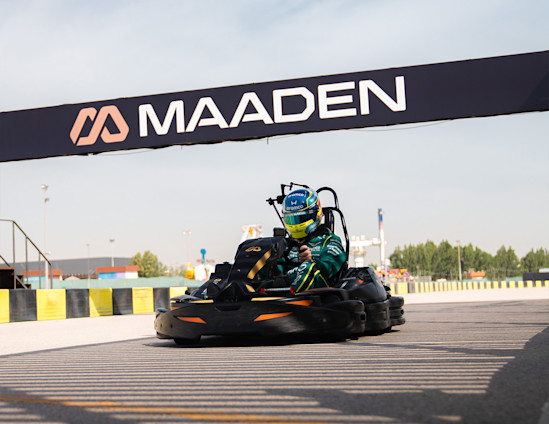
Driven to Greatness | Ep. 01: The ultimate karting challenge with Fernando Alonso and Maaden
Read more
UNDERCUT | Lance Stroll: "You've got to believe through the difficult periods"
Read more
Amplify your fan experience
From exclusive collabs to once-in-a-lifetime prizes, I / AM DROPS is a series of unique and ultra-limited moments and fan experiences.
Sign up for I / AM or sign in to unlock.